
This issue of Making a Difference! is brought to you by…
Altig & Associates
Sharon Altig
1.425.827.2485 • 1.800.827.2485
Send Us An Email
Go Shopping
In this issue…
♦ Your body’s early warning system… ♦ Shaklee’s one, two, three punch
♦ The physiology of pain… and how it shapes everyday life
♦ The brain’s role: More than a receiver
♦ Supporting pain physiology the smart Shaklee way!
♦ Hydration, inflammation & everyday comfort
♦ How Get Clean saves you tons of money…
♦ How switching to Shaklee is a smart money move…

 “The effect the years have upon you can easily be prevented. Man cannot live forever, of course, but he can live free from pain and discomfort… IF he will provide the natural nutritional substances necessary to keep his body in good repair…
Far too many people believe that, as long as they fill their stomachs, they are well nourished. Nutritional deficiency is an intangible they choose to ignore, thinking that because they ignore it they deny its existence. How foolish! They haven’t the slightest idea that their aches and pains may be due to the very thing they deny!“
~ A Study Course in Nutrition by Forrest Shaklee Sr., DC, DD

Your body’s early warning system…
Pain is often thought of as something simple: you get hurt, you feel pain, and then it goes away. But in reality, pain is a complex biological process designed to protect us. It is not just a sensation… it is a conversation between the body, the nervous system, and the brain. Understanding how pain works can help us better manage it and appreciate why it affects so many parts of daily life.
Pain starts with specialized nerve endings called nociceptors, located in the skin, muscles, joints,  and internal organs. When tissue is damaged… or even threatened… nociceptors detect chemical, mechanical, or thermal changes and send electrical signals through peripheral nerves to the spinal cord.
From there, the message travels upward to the brain. But here’s the important part: pain is not actually felt until the brain interprets the signal! The brain evaluates the message using context, past experiences, emotions, and even expectations. That is why two people can experience the same injury very differently.
Sh aklee’s one, two, three punch
Shaklee has a comprehensive product trio that delivers a knockout punch to pain, especially for arthritis sufferers and weekend warriors:
♦♦ Joint & Muscle Pain Cream provides quick penetrating relief from pain caused by arthritis
♦♦ Pain  Relief Complex offers natural pain relief for overworked joints.
♦♦ Advanced Joint Health Complex helps build cartilage and naturally improves joint function.
The physiology of pain… and how it shapes everyday life
Acute pain serves an important purpose. It teaches us to avoid danger and gives the body time to heal. For example, touching a hot stove triggers an immediate withdrawal reflex before you even consciously realize what happened. Acute pain is temporary and usually resolves as healing occurs.
Chronic pain, however, lasts longer than expected… often beyond three months… and involves changes in the nervous system itself.
Over time, the brain and spinal cord can become more sensitive, a process called central sensitization. The nervous system essentially turns up the volume on pain signals. As a result:
⇒⇒ Mild stimuli may feel painful.
⇒⇒ Pain may persist even after tissue has healed.
⇒⇒ Everyday activities can become exhausting.
This is why chronic pain is not simply “pain that lasts longer.” It reflects a real physiological change in how the body processes sensory information.
How pain affects daily life
Pain rarely stays c onfined to one body part. Its effects ripple through nearly every aspect of daily living.
Physical function: People in pain may move less to avoid discomfort. Over time, reduced movement can lead to muscle weakness, stiffness, and decreased endurance, creating a cycle that reinforces pain.
Sleep quality: Pain can interfere with falling asleep and staying asleep. Poor sleep then lowers pain tolerance, making symptoms feel stronger the next day.
Mood and mental health: Persistent pain is closely linked to irritability, anxiety, and depression. This is partly biological, as chronic pain affects neurotransmitters involved in mood regulation.
Work and productivity: Concentration and decision-making  often decline when the brain is busy processing discomfort, affecting job performance and daily tasks.
Relationships and social life: Pain can limit participation in hobbies, family activities, and social events, sometimes leading to isolation.
The body’s natural pain modulators
The human body also has built-in pain-control systems. Endorphins and other neurotransmitters act as natural pain relievers, helping reduce discomfort during exercise, laughter, or social interaction.
Lifestyle factors influence these systems:
⇒⇒ Regular movement supports circulation and reduces stiffness.
⇒⇒ Balanced nutrition regulates inflammation.
⇒⇒ Stress management lowers nervous system sensitivity.
⇒⇒ Consistent sleep restores pain-regulation pathways.
These factors don’t eliminate pain entirely, but they can significantly change how intensely it is experienced.
Rethinking pain: A whole-body experience
Modern science increasingly views pain as a biopsychosocial experience, meaning biology, psychology, and environment all play important roles. Pain is real and physiological, yet it is also shaped by emotions, beliefs, habits, and lifestyle.
This understanding shifts the focus from simply “fixing the injured part” to supporting the whole person… body and mind together.
Meet Generation H
The brain’s role: More than a receiver
The brain does not simply receive pain signals… it actively modifies them. Several regions work together:
The somatosensory cortex identifies where pain is located and how intense it is.
The limbic system attaches emotional meaning to the experience.
The prefrontal cortex helps interpret and manage the response.
Because emotions and pain pathways overlap, stress, anxiety, or poor sleep can amplify pain signals. On the other hand, relaxation, positive expectations, and supportive environments can reduce perceived pain.
This explains why pain can feel worse during stressful periods and why psychological health is closely tied to physical discomfort.
Supporting pain physiology the smart Shaklee way!
Have you ever noticed that stiffness or discomfort seems to come and go… even when your routine hasn’t changed? That’s because pain isn’t only about joints or muscles. Science shows it’s influenced by inflammation, nerve signaling, oxidative stress, and nutrient status. In other words, what’s happening inside your body can strongly affect how you feel on the outside. The encouraging news is that daily nutrition plays an important role in supporting the systems that influence comfort and mobility.
Nerve health: The hidden piece of the puzzle
Healthy nerves help your body communicate clearly and efficiently. When n erve function is compromised, discomfort may feel sharper or more persistent. The nutrients in B-Complex help support:
♦♦ Healthy nerve signaling
♦♦ Myelin sheath protection
♦♦ Neurotransmitter production
Research shows that low B12 levels are associated with tingling and nerve-related discomfort, making consistent nutritional support important for long-term wellness.
A healthy inflammatory response
Inflammation is part of the body’s natural healing process… but when it stays elevated, it may contribute to stiffness and reduced mobility. Nutrients that help support inflammatory balance include:
____ Omega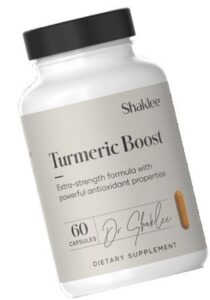 Guard®… Omega-3 fatty acids have been widely studied for joint comfort and flexibility.
____ Turmeric Boost®… provides curcumin, which supports healthy inflammatory pathways and piperine (black pepper extract) which helps enhance curcumin absorption.
Together, these ingredients help support the body’s natural response rather than masking discomfort.
Nutrients that help you stay resilient
Small nutritional gaps can add up over time. Supporting foundational nutrients may help your body recover and function more efficiently.
____ Vita-D3®… Vitamin D3 supports muscle, bone, and immune health.
____ VitalMag®… Magnesium helps muscles relax and supports calm nerve signaling.
____ Sustained Release Vita-C®… Vitamin C supports collagen and connective tissu e,
e,
____ Vita-E Complex®… Vitamin E provides antioxidant protection.
____ Zinc Complex… Zinc supports tissue repair and immune balance.
Structural support for movement
Comfort also depends on strong connective tissues and healthy joints.
____ Collagen-9® supports cartilage and connective tissue integrity.
____ Advanced Joint Health Complex… Glucosamine helps maintain cartilage structure while Boswellia offers plant-based support for flexibility and mobility.
A gentle reminder
Pain and stiffness rarely come from one single cause… and improvement usually comes from small, consistent steps. Supporting your body with the right nutrients, movement, and daily habits can help you feel stronger and more comfortable over time.
Introducing Collagen-9™
Hydration, inflammation & everyday comfort
 Hydration is one of the most overlooked tools in pain management. Even mild dehydration can increase fatigue, headaches, muscle tightness, and sensitivity to discomfort. Water supports circulation, helps move metabolic waste out of the body, and plays a role in regulating inflammation… all key factors in how the body experiences pain. Staying hydrated also helps muscles contract and relax properly, reducing the likelihood of cramps and spasms that can worsen aches. While plain water is essential, replacing electrolytes lost through daily activity is equally important for maintaining fluid balance and steady energy. That’s where Shaklee Electrolyte+ Hydration & Focus Drink Mix can fit in. Available in refreshing Blood Orange or Raspberry Melon, it delivers electrolytes to support hydration plus gentle focus support… helping you feel more balanced and less drained during busy days. Pair it with water-rich foods like cucumbers or watermelon and consistent daily hydration habits.
When hydration becomes intentional, the body often responds with better comfort, improved recovery, and greater overall well-being.
How Get Clean saves you tons of money…
Here’s how switching to Get Clean can help your pocketbook:
1. The equivalent amount of conventional, ready-to-use products would co st $3,400 compared with a Get Clean Starter Kit for under $150.
2. Get Clean products are formulated without volatile cleaning compounds or toxic chemicals that can cause serious health problems for your family, resulting in major medical expenses.
3. Get Clean outperforms or matches 22 national brands (including Pledge® Wipes, OxiClean®, and Shout® Gel) in cleaning power.
4. Get Clean uses natural and naturally-derived ingredients from sustainable sources that are safe for our planet. They also contain NO phosphates, borates, nitrates, or many other earth-toxic chemicals.
5. Get Clean Fresh Laundry Concentrate HE Compatible Liquid not only outperforms leading detergents, but it also removes stains better than Shout® Gel. And at only 1 oz. per load, you’re also saving a LOT of money!
6. Like the other Get Clean products, Nature Bright Laundry Booster and Stain Remover combines stain-fighting power with cost savings and performance that is 60% more effective than Oxiclean® on grass stains. Can also be used as an oxygen- and enzyme-fueled toilet bowl cleaner.
7. The Get Clean Starter Kit saves 108 pounds of packaging waste and 248 pounds of greenhouse gas. Everybody wins!
8. Like all Shaklee products, Get Clean is 100% money-back guaranteed!
What’s in the Get Clean® Starter Kit?
How switching to Shaklee is a smart money move…
 If you’re like most people today, you’re living on a budget. To many, that means sacrificing quality. Or does it? The fact is… using Shaklee products can actually be one of the smartest money moves you will ever make. For example, you’ll save thousands of dollars when you use earth-friendly Get Clean household products instead of commercial cleaners.
And… you’ll be using SAFE products around your family and pets while preserving the environment.
A really smart move!