
This issue of Making a Difference! is brought to you by…
Lanee Proctor
(325) 716-8573
Send Us An Email
Go Shopping!
In this issue…
♦ Surgery ahead? Prepare now… ♦ Surgical myths worth rethinking
♦ Prehabilitation: Start your surgical recovery before surgery
♦ Your immune system: An important partner in surgical recovery
♦ The healing power of nutrition for recovery… ♦ How surgical wounds heal
♦ Nature’s most powerful oil… 3 new choices!
♦ Fight visible aging from the inside out…

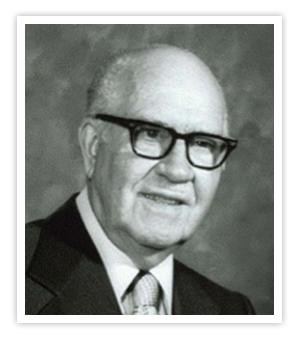 “Vitamin C deficiency is the major cause of much of our common aches and pains. The functions of ALL body cells are affected by this vitamin, yet it cannot be stored by the body… it must be supplied continuously and regularly through-out life…
This vital food element is often called an anti-infective vitamin along with Vitamin A. Its presence in the blood stream aids in preventing hemorrhage; aids in the proper metabolism of iron, calcium, phosphorus; strengthens the blood vessel walls; and performs innumerable additional functions.
Vitamin C… also greatly influences the coagulation of blood in case of accident or surgery.“
~ A Study Course in Nutrition by Forrest Shaklee Sr., DC, DD

Surgery ahead? Prepare now…
Is surgery in your future? If so, you should know that surgery is more than a medical procedure… it is a physical challenge that asks your body to heal, rebuild, and recover. Preparing in the weeks beforehand can help create a stronger foundation for that process.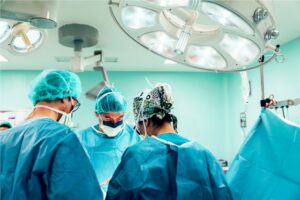
Physical preparation begins with following your surgical team’s instructions, staying appropriately active, getting adequate sleep, and avoiding tobacco and excess alcohol. Mental preparation matters, too. Understanding what to expect, discussing concerns with your healthcare team, practicing relaxation techniques, and planning for recovery can help reduce uncertainty and stress.
Finally, nutrition provides the raw materials for healing. A nutrient-dense diet rich in protein, fruits, vegetables, whole grains, healthy fats, adequate fluids, and targeted supplements all help support immune function, tissue repair, and energy needs. Thoughtful preparation can help you enter surgery stronger, better nourished, and more confident about recovery.
Surgical myths worth rethinking
Think surgery is something you simply show up for? Think again.
One common myth is that preparation makes little difference. In reality, appropriate exercise, good nutrition, and adequate sleep can help prepare the body for recovery.
Another misconception is that complete bed rest is always best afterward.Early movement is often encouraged to support circulation and regain function.
And nutrition isn’t just an after-surgery concern… entering surgery well nourished matters, too. The best approach?
Become an active participant in your recovery!
 Prehabilitation: Start your surgical recovery before surgery
What if part of your surgical recovery could begin before the operation? That is the idea behind prehabilitation, or “prehab”… using the weeks before a planned procedure to improve physical fitness, nutritional status, and mental readiness.
Rather than entering surgery passively, prehab helps prepare the body for the physiological stress ahead.
Strengthen your physical reserve
Surgery temporarily increases demands on virtually every system involved in healing. Entering the procedure with better cardiovascular fitness and muscle strength may make it easier to tolerate those demands and regain function afterward.
A prehab exercise program might include walking, cycling, swimming, resistance training, and, for some patients, respiratory exercises. Aerobic activity supports heart and lung fitness, while resistance training helps maintain the muscle needed for movement and independence during recovery.
More is not necessarily better. Exercise should match your current health, mobility, and planned surgery. A steady program performed consistently over several weeks may be more appropriate than suddenly beginning strenuous workouts. Your healthcare team or physical therapist can help determine what is safe.
 Nourish the healing process
Good nutrition is another essential component because healing requires raw materials. Protein provides amino acids for maintaining muscle and rebuilding tissue. Vitamin C supports normal collagen formation, zinc contributes to normal wound healing and immune function, and iron is necessary for producing hemoglobin that transports oxygen.
Focus on nutrient-dense foods: quality protein sources, colorful vegetables and fruits, whole grains, healthy fats, and sufficient fluids. When nutritional deficiencies or poor blood-sugar control are prese nt, addressing them before surgery may be particularly important.
This is also a time to review all nutritional supplements with your surgeon. Some may be helpful when a deficiency exists, while others may need to be discontinued before surgery because of potential effects on medications, bleeding, or anesthesia.
Train your mind for recovery
Prehabilitation isn’t purely physical. Understanding the procedure, reducing anxiety, practicing stress-management techniques, and preparing your home and support system can make recovery feel more manageable.

The weeks before surgery are not simply a waiting period. Used wisely, they can become an opportunity to build strength, improve nutrition, prepare mentally, and create a healthier starting point for recovery. with typical age-related decline.
Your immune system: An important partner
When preparing for surgery, we often think about the surgeon, hospital, medications, and rehabilitation. But another important member of your recovery team is already inside you: your immune system.
Surgery activates a carefully coordinated biological response. Immune cells help protect damaged tissue from infection, regulate inflammation, remove cellular debris, and participate in the complex processes that allow tissues to repair. Supporting normal immune function before surgery can therefore be an important part of preparing your body for recovery.
Start with the fundamentals. Get consistent, restorative sleep. Stay as physically as possible. Manage stress, avoid smoking, limit alcohol, and give your body the nutrition it needs.
Protein (found in Life Shake and Sparkling Protein) is particularly important for maintaining muscle and rebuilding tissue, while vitamins A, C, D, and E and minerals including zinc, selenium, and iron (all found in Vita-Lea) support different aspects of normal immune function.
Three supplements particularly recommended before surgery are NutriFeron, Triple Defense Boost and Zinc Complex.
You cannot boost immunity overnight. Immune strength is built through consistent habits. The healthier your foundation before surgery, the better nutritional and physiological resources your body has available for recovery.
Immunity 101: Your Body’s Natural Defense System
The healing power of nutrition for recovery…
Surgery places extraordinary demands on the body. Tissue must be repaired, immune defenses activated, and lost strength rebuilt… all processes that require energy, protein, vitamins, minerals, and fluids. That makes nutrition an important part of both prehabilitation and recovery.
Protein: The building material for recovery
Protein deserves special attention. Its amino acids provide building blocks for tissue repair while helping preserve muscle during periods of reduced activity. Before and after surgery, emphasize eggs, poultry, fish, dairy, beans, lentils, and other quality protein sources.
When appetite is poor, smaller protein-rich meals, smoothies, yogurt, eggs, or soups may be easier to manage. Shaklee Life Shake™ can offer a convenient source of protein and additional nutrition when preparing balanced meals is difficult.
Millions of Moments, Powered by Protein
Micronutrients matter
Healing requires more than protein. Vitamin C contributes to normal collagen formation, while zinc supports normal immune function and wound healing. Vitamins A, D, E, B vitamins, iron, magnesium, and other micronutrients also participate in processes related to energy metabolism, blood formation, immunity, and tissue maintenance.
A healthy diet should provide the foundation. A comprehensive Shaklee multivitamin such as Vita-Lea® may help fill nutritional gaps. Depending on individual needs, products such as Sustained Release Vita-C, Vita-D3, Zinc Complex, B-Complex, and Iron plus C Complex may also provide targeted nutritional support.
Vita-Lea: The Original Multi Reinvented
Be sure to include supplements specifically designed to strengthen the immune system:
 Triple Defense Boost (vitamin C, zinc, vitamin D, plant-based adaptogens, elderberry, and more)
NutriFeron (pumpkin seed, Asian plantain seed, and safflower and Japanese honeysuckle flowers, plus zinc)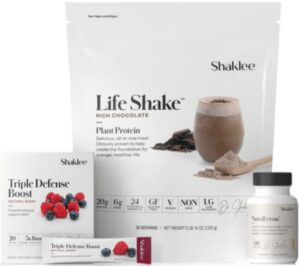
Immunity Formula I (with nine immunoactive nutrients)
And for a powerful immune-boosting trio, try the Advanced Immunity Bundle which contains the most important supplements to support immune health and overall wellness… Life Shake (a 28-serving pouch), Triple Defense Boost and Nutriferon.
Don’t forget fluids and digestion
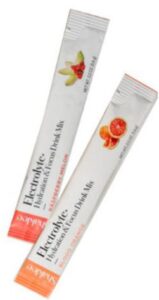 Adequate hydration supports normal circulation and nutrient transport. For superior hydration, use Electrolyte+ Hydration & Focus Drink with three key electrolytes… sodium, potassium, and chloride… that help maintain fluid balance inside and outside of cells.
Digestive regularity, may become challenging with inactivity 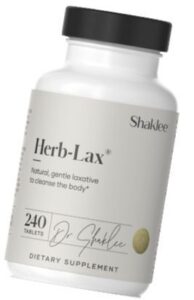 or certain pain medications. Optiflora DI and Herb-Lax can help maintain optimal digestion.
Most importantly, review every supplement with your surgeon well before the procedure. Products containing herbs, omega-3 fatty acids, vitamin E, or other ingredients may need special consideration because of possible effects on bleeding, medications, or anesthesia. Your surgical team will determine what to continue, stop, and restart.
The goal isn’t a magical “healing diet.” It’s giving your body consistent protein, energy, fluids, and essential nutrients so it has the nutritional resources required for recovery.
Gut Health: Digestion & Your Microbiome
How surgical wounds heal
Healing a surgical wound is one of the body’s most impressive examples of biological teamwork. Almost immediately after an incision is closed, clotting begins and immune cells move into the area, helping remove damaged tissue and protect against infection.
Then construction begins. New blood vessels supply oxygen and nutrients, while specialized cells produce collagen and other components needed to rebuild tissue. Over time, collagen fibers reorganize and strengthen the area. This remodeling process can continue for months, even when the incision looks healed.
Several factors influence how efficiently this happens. Healthy circulation, controlled blood sugar, excellent nutrition, adequate sleep, and following activity restrictions can support normal healing. Smoking, nutritional deficiencies, certain health conditions, and some medications may interfere  with the process.
Food also supplies essential construction materials. Protein supports new tissue formation, vitamin C is needed for normal collagen production, and zinc contributes to wound healing and immune function. Fluids help support normal circulation and physiological processes.
Whether your incision is closed with stitches, staples, glue, or strips, follow your surgeon’s care instructions carefully. Healing can’t be rushed… but you can give your body the conditions it needs to do its remarkable repair work.
Nature’s most powerful oil… 3 new choices!
One of skincare’s most intriguing botanical ingredients doesn’t come from an exotic rainforest. It grows wild in the American Midwest.
Shaklee’s relaunched Pomifera® collection harnesses cold-pressed oil from seeds of the Osage orange, a distinctive fruit rich in naturally occurring skin-supporting compounds. Pomifera Oil contains antioxidant polyphenols, omega fatty acids, and plant sterols that help nourish, hydrate, and protect the skin.
Now Shaklee has created three targeted ways to experience it:
Pure Glow™ 100% Pure Treatment Oil delivers pure Pomifera Oil, osajin, omega fatty acids, and plant sterols to promote hydration, radiance, and smoother-looking skin while reducing the appearance of fine lines.
Rose Plump™ Nourishing Treatment Oil pairs Pomifera Oil with botanicals for deep hydration and softer, more supple-looking skin.
Cypress Balance™ Calming Treatment Oil combines Pomifera Oil with cypress and blue tansy oils to help manage excess shine, soothe reactive-looking skin, and support the moisture barrier.
Laboratory testing has demonstrated Pomifera Oil’s potent antioxidant activity, while consumer testing showed improvements in several measures of skin appearance and feel. And… all three oils are also EWG VERIFIED®

Figh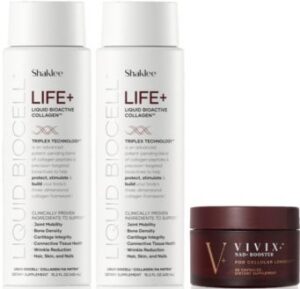 t visible aging from the inside out…
Want healthier-looking skin as you age? Think beyond the bathroom mirror. Skin depends on adequate hydration, protein, healthy fats, antioxidants, sleep, and protection from excessive sun exposure.
Fill your plate with colorful fruits and vegetables, stay well hydrated, manage stress, and make daily sunscreen non-negotiable.
Liquid BioCell® Life+ can provide targeted collagen support, while the antioxidant-rich polyphenols in Vivix+® help support healthy aging from both the inside and outside.