
This issue of Making a Difference! is brought to you by…

The Pahmeier Group
Mary Ann Pahmeier
214-538-7613
Send Us An Email
[email protected]
Go Shopping
In this issue…
♦ Neuroplasticity & brain health… ♦ How learning changes the brain…
♦ What neuroplasticity means to you…
♦ Unlocking brain plasticity with the power pair… diet + sleep
♦ Nutrition for cognitive longevity ♦ How to stay sharp as you age…
♦ Yum: Sparkling Protein Mocktail recipes!
 “Brain cells must be supplied with protein, vitamins, and minerals, plus an unsaturated fat… lecithin. There is about 3 times as much lecithin found in brain cells as in any other type of cell in the body.
Of the vitamins, the B Vitamins seem to be the most essential.
In supplying your brain cells with protein, make sure that it is a WHOLE protein with all of the amino acids present. There is one amino acid found in brain cells in far greater amounts than in any other part of the body… glutamic acid.
And there is one mineral that stands out among the requirements for brain cell nourishment… phosphorus. As an old German scientist remarked long ago, ‘No phosphorus, no brain!’“
~ A Study Course in Nutrition by Forrest Shaklee Sr., DC, DD

Neuroplasticity & brain health…
Neuroplasticity represents one of the most significant discoveries in modern neuroscience, fundamentally changing how we understand the brain’s capacity for adaptation throughout life. For decades, scientists believed the adult brain was fixed and unable to grow new neural connections after childhood. This view has been replaced by compelling evidence showing that our brains remain dynamic and adaptable, constantly reorganizing in response to experiences,learning, and environmental demands.
Neuroplasticity reveals the brain as a dynamic organ capable of remarkable change throughout life. From cellular mechanisms of synaptic strengthening to practical applications in learning, recovery, and mental health, this property provides foundation for optimism about human potential.
Understanding neuroplasticity is important for anyone interested in brain health, learning, recovery from injury, and maximizing cognitive potential.
How learning changes the brain…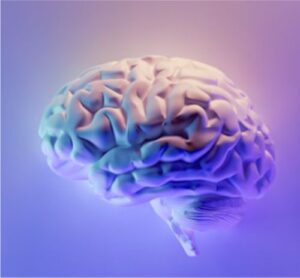
Every learning experience produces physical changes in the brain. When we encounter new information or practice a skill, synapses between neurons become more efficient at transmitting signals, receptor proteins increase, neurotransmitter release is enhanced, and synapses are modified structurally. With continued practice, these temporary changes become permanent and neural networks are expanded.
What neuroplasticity means to you…
Neuroplasticity is constantly at work, shaping how we think, learn, and respond to the world around us. Every new skill ignites measurable changes inside the brain. When someone learns to play an instrument, for example, regions responsible for motor coordination, auditory  processing, and timing strengthen and reorganize. This is why musicians often excel at detecting subtle variations in pitch, rhythm, and sound… they’ve trained their neural circuitry through repeated practice.
Language learning offers another striking example. Individuals who acquire a second language often develop increased gray matter density in regions linked to language comprehensio n, memory, and executive functioning. Similarly, physical training refines and expands neural networks in the motor cortex and cerebellum, allowing for more efficient, precise movement. Even everyday cognitive activities… puzzles, reading, meaningful conversation… stimulate the brain to build stronger pathways that enhance memory, reasoning, and mental agility.
Neuroplasticity also plays a critical role in emotional wellbeing. Practices such as psychotherapy, meditation, and mindfulness can reshape circuits involved in stress, anxiety, and mood regulation, offering powerful pathways for psychological resilience.
Recognizing that the brain continually remodels itself opens the door to intentional cognitive optimization. Regular physical exercise boosts neuroplasticity by increasing cerebral blood flow, releasing neurotrophic growth factors, and encouraging the formation of new synapses. Mental “cross-training” through novel learning experiences and diverse challenges helps keep neural  networks active and adaptable. Quality sleep allows the brain to consolidate new memories and perform restorative maintenance essential for healthy plasticity. Social engagement and emotionally supportive relationships further enrich cognitive and emotional networks.
Finally, managing stress… through relaxation techniques, clean eating, Shaklee supplementation, and balanced lifestyle habits… protects the brain from the damaging effects of chronic cortisol exposure, which can undermine neural flexibility. By choosing activities that strengthen the brain’s adaptive capacity, individuals can enhance cognition, accelerate recovery from injuries, and support long-term brain health.
Every skill you practice becomes a gift you give your future mind.
Unlocking brain plasticity with the power pair… diet + sleep
Your brain constantly rewires itself through neuroplasticity, building new pathways that support learning, memory, and emotional balance. Two lifestyle pillars… diet and sleep… play an outsized role in this process.
How diet shapes sleep
The foods you choose influence both sleep quality and brain function.
♦♦ Protein-rich foods supply amino acids needed for neurotransmitters like serotonin.
♦♦ Complex carbohydrates help tryptophan enter the brain, promoting relaxation.
♦♦ Magnesium-rich foods support muscle and nervous system calm.
calm.
Sleep benefits also depend on what you avoid: limit caffeine to morning hours and skip large late-night meals to prevent digestive disruption.
A diet emphasizing fish, vegetables, fruits, whole grains, and healthy fats is consistently linked to deeper sleep and stronger cognitive performance.
How sleep shapes diet
 Sleep restores the brain regions responsible for self-control, appetite regulation, and emotional steadiness, making nutritious choices easier. Adequate sleep also keeps hunger hormones balanced, reducing cravings.
Regular bedtimes and wake times reinforce circadian rhythms that guide metabolism and digestion. When sleep patterns stay consistent, your body operates more efficiently… amplifying the benefits of a healthy diet.
Nutrition for cognitive longevity
Your brain is constantly rewriting your future… reshaping itself through the nutrients, habits, and choices you give it every day. With its immense metabolic demands, the brain relies on high-quality nourishment to think clearly, adapt, and stay resilient for life. When you combine mindful eating with targeted Shaklee nutrition, you create a powerful environment where focus strengthens, memory deepens, mood lifts, and lifelong cognitive health takes root.
Scientists now understand that nutrition doesn’t just support the brain… it transforms it! The right nutrients can fortify neural pathways, energize brain cells, calm inflammation, and shield your mind from age-related decline.
Nutrients that light up the brain
Omega -3s
-3s
DHA-rich omega-3s act like architectural reinforcements for the brain… strengthening cell membranes, supporting learning, and enhancing emotional balance. With OmegaGuard, you nourish your brain with clean, concentrated omega-3s that help keep your thoughts sharp and your mind adaptable.
Antioxidants
Every day, oxidative stress tries to dim your mental clarity. Nature’s antioxidants… berries, greens, colorful vegetables… help defend against this damage. MindWorks boosts this protection with a unique chardonnay grape seed polyphenol blend, a natural guarana extract, plus vitamins B6, B12, and folate shown to support focus, memory, and increased blood flow to brain-critical regions. Vita-E Complex adds another layer of antioxidant support to keep your neural tissues thriving.
B  Vitamins
B vitamins help your brain stay energized, stable, and resilient. They drive neurotransmitter production and protect against homocysteine-related cognitive decline. Shaklee B-Complex and Mental Acuity Plus work together to support mental clarity, recall, and structured thinking.
Emotional wellness
A bright, balanced mood makes room for creativity, reasoning, and focus. MoodLift Complex with St. John’s Wort extract, Siberian ginseng and insoitol offers gentle, natural mood support to help your brain operate from a place of calm strength.
Eating and living for a more powerful brain
Nourishing brain foods
Colorful produce, nuts, seeds, and omega-3-rich seafood feed your neurons what they need to grow, connect, and repair.
Fasting to renew and reset
Intermittent fasting activates cellular rejuvenation and strengthens the pathways that support long-term brain health.
 Hydrate to think clearly
Hydration is one of the fastest ways to boost mental energy. Shaklee Electrolyte+ Hydration & Focus Drink Mix helps maintain electrolyte balance and sharpens concentration all day.
Electrolyte+ Hydration & Focus Drink Mix
How to stay sharp as you age…
Forgetfulness happens, but here’s the surprising truth: neural pathways start declining around age 20, and by your mid-40s that natural slowdown accelerates. The good news? You can boost mental alertness and protect long-term brain health with a few smart habits.
Challenge your brain: A sharper mind starts with using it. Activities that push your thinking… puzzles, new skills, strategy games, or learning a language… activate neural circuits and help keep cognitive function strong.
Move for mental clarity: Exercise is one of the best ways  to support brain health. Physical activity boosts circulation, encourages new brain cell growth, and elevates chemicals linked to clearer thinking and better mood. Even a daily walk can make a difference.
Feed your brain wisely: Your brain thrives on nutrients like omega-3s, B vitamins, vitamin K, vitamin E, and zinc. These nutrients support memory, focus, and cellular protection. Practice clean eating whenever possible.
Give your brain an extra edge: Healthy habits set the foundation, but supplements can help you go further. MindWorks provides nutrients designed to support cognitive performance now and over time. Its guarana extract has been clinically shown to sharpen focus, improve reaction time, and boost short-term memory. And its blend of B6, B12, and folate has been shown to help slow age-related brain atrophy. Take action early. Stay focused, stay sharp, and support your brain for the years ahead.
The Science Behind Shaklee MindWorks
Yum: Sparkling Protein Mocktail recipes!
Here are a few Sparkling Protein recipes to try:
Longevity Mocktail
Makes 2 servings
Ingr edients
◊ 1 can Sparkling Protein
◊ 2 Tbsp Vivix Liquid
◊ 5 to 6 fresh mint leaves, muddled
◊ Ice to your liking
Directions
1. Muddle mint in the bottom of a glass.
2. Add ice and Vivix.
3. Top with Sparkling Protein.
4. Stir gently and garnish with extra mint.
 Sparkling Orchard Spritz
Makes 3 servings
Ingredients
◊ 1 can Sparkling Protein
◊ 6 oz apple juice or cider
◊ Dash of cinnamon
◊ 1 tsp maple syrup
◊ Cinnamon stick
◊ Rosemary sprig
◊ Ice
Directions
1. Fill a glass with ice.
2. Add apple juice or cider, cinnamon, and maple syrup.
3. Top with Sparkling Protein.
4. Stir gently, garnish with a cinnamon stick and rosemary.
Cranberry Spice Spritz
Makes 3 servings
Ingredients
◊ 1 can Sparkling Protein
◊ 5 oz cranberry juice (unsweetened or light)
◊ 1 tsp honey or agave
◊ Dash of cinnamon
◊ Orange slice and cranberries for garnish
◊ Ice
Directions
1. Fill a glass with ice.
2. Add cranberry juice; stir in honey or agave until dissolved.
3. Add cinnamon.
4. Top with Sparkling Protein.
5. Garnish with orange slice and fresh cranberries.
Protein Mule
Makes 3 servings
Ingredients
◊ 1 can Sparkling Protein
◊ 4 ounces ginger ale
◊ Lime wedge for garnish
◊ Mint for garnish
◊ Ice
Directions
1. Fill a mule mug or tall glass with ice.
2. Pour in Sparkling Protein.
3. Add ginger ale and a squeeze of fresh lime.
4. Stir gently.
5. Garnish with mint and lime.